
How we fix it
About this service in Sydney
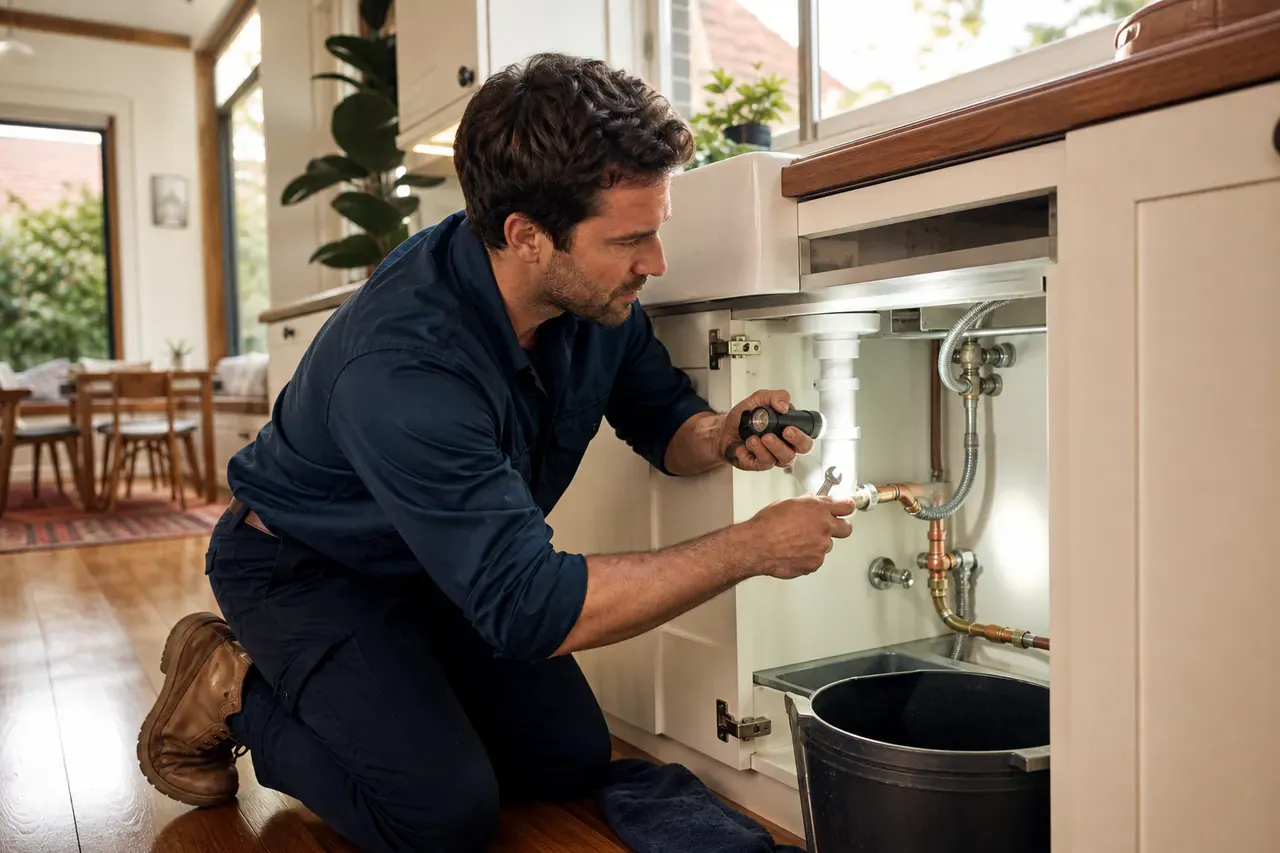
Most plumbing repairs in Sydney are not dramatic. They are a tap that drips, a toilet that will not stop filling, a drain that takes too long to empty, or a damp patch that was not there last month. Left alone, each of them gets more expensive: a drip becomes a new tap, a slow drain becomes a blocked one, and a damp patch becomes a ceiling repair.
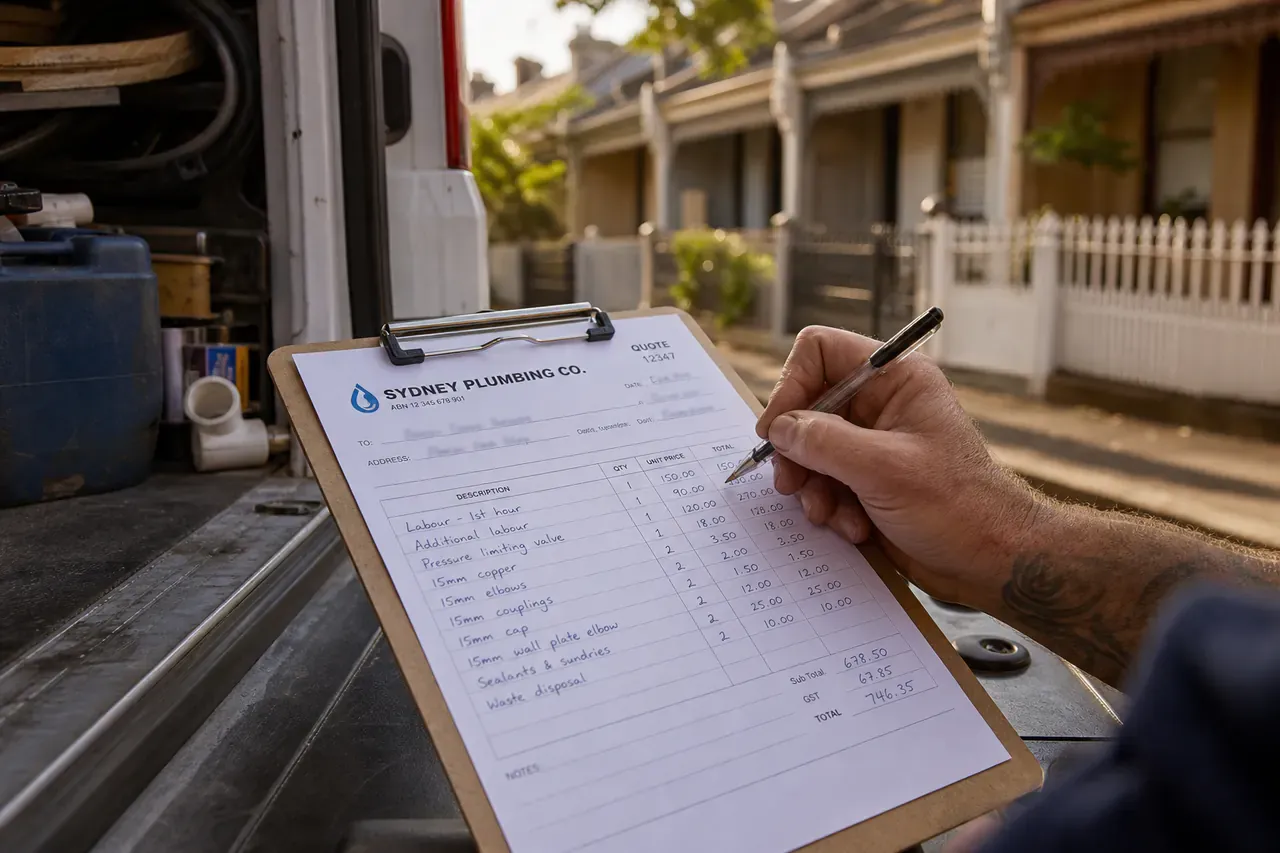
This page covers the plumbing repairs Sydney homes need most, what they cost, which ones can wait and which cannot. Urgent or not, the work is done by a licensed plumber and quoted in writing first.
The plumbing repairs Sydney homes need most
- Leaking taps and mixers. A worn washer, a failed cartridge or a corroded tap body. The first two are repairs; the third is a new tap.
- Running and leaking toilets. Nearly always the valves inside the cistern. See our toilet repair page.
- Leaking pipes and hoses. From a pinhole in an old pipe to a flexible hose that has split under the kitchen sink. A leak that will not stop is a burst pipe repair and an emergency.
- Blocked drains. One slow fixture is a local blockage. Several at once point to the sewer line.
- Hot water faults. No hot water, not enough of it, or a tank that is leaking. Most are covered on our hot water repair page.
- Low water pressure. One tap, or the whole house: the cause is different and so is the fix.
- Gas appliances. These need a licensed gasfitter, not just a plumber. See gas plumber Sydney.
Repair or replace?
A good plumber repairs what can be repaired and says plainly when it cannot. Roughly:
- Taps. Washers and cartridges are cheap and quick. A tap whose body is pitted or cracked is replaced.
- Toilets. The working parts inside a cistern can be renewed many times. A cracked pan or cistern cannot be patched.
- Hot water systems. Elements, thermostats and valves are repairs. A tank leaking from the cylinder is finished.
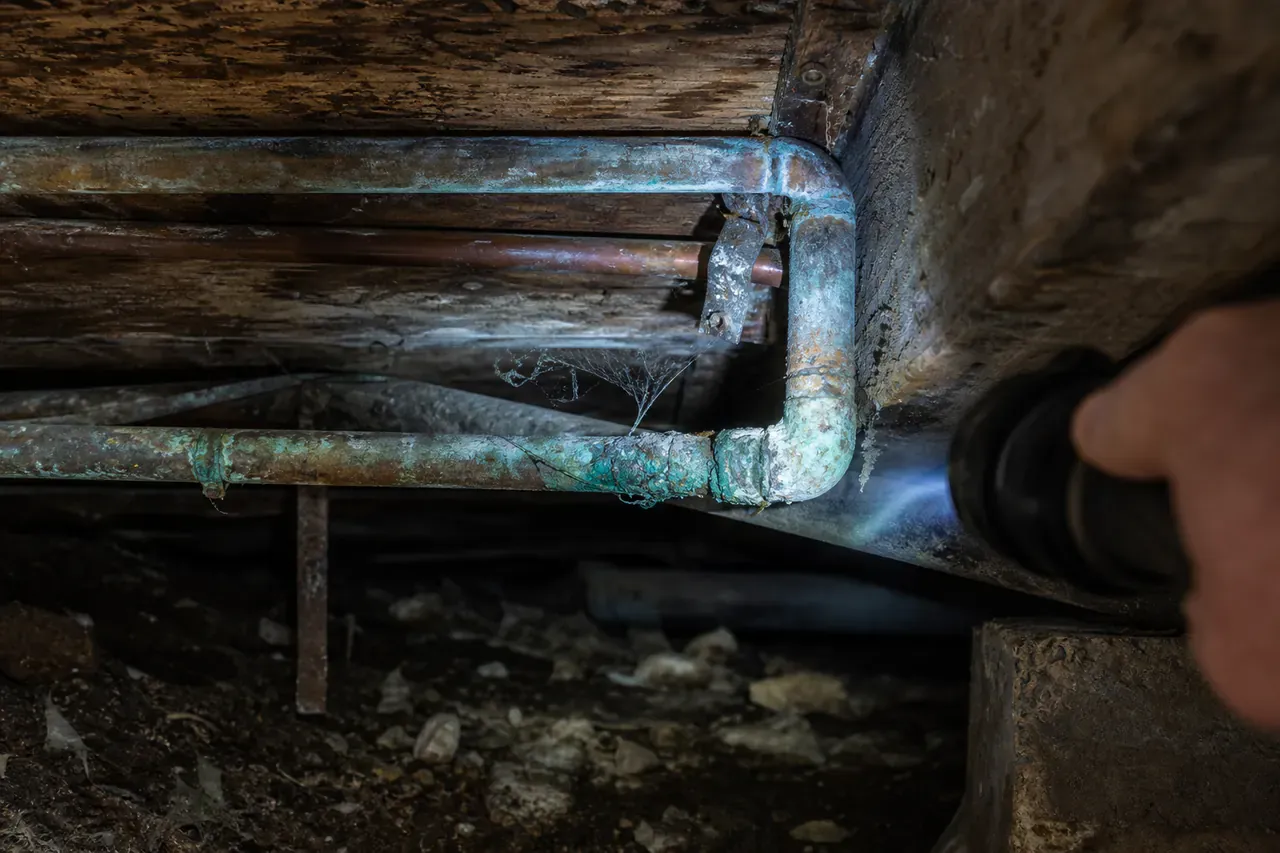
- Pipes. One failed joint is a repair. Old galvanised steel pipe that is rusting from the inside will fail again further along, and replacing the section is usually cheaper than a second and third call-out.
You are given both options, with prices, when both make sense.
What a small leak really costs
A leak does damage in two ways: the water you pay for and never use, and the water that soaks into the house. The second is the expensive one. Timber swells, plaster stains, and mould follows within weeks.
You can check for a hidden leak yourself, using the test Sydney Water recommends:
- Turn off every tap and every appliance that uses water.
- Read the water meter and write the numbers down.
- Use no water for at least an hour. Leave the meter tap on.
- Read the meter again. If the numbers have changed, you have a leak.
If the meter says there is a leak and you cannot see it, a plumber pressure-tests the pipes to find it. Do not leave it: a hidden leak found early is a repair, and one found late is a renovation.
Which repairs can you do yourself?
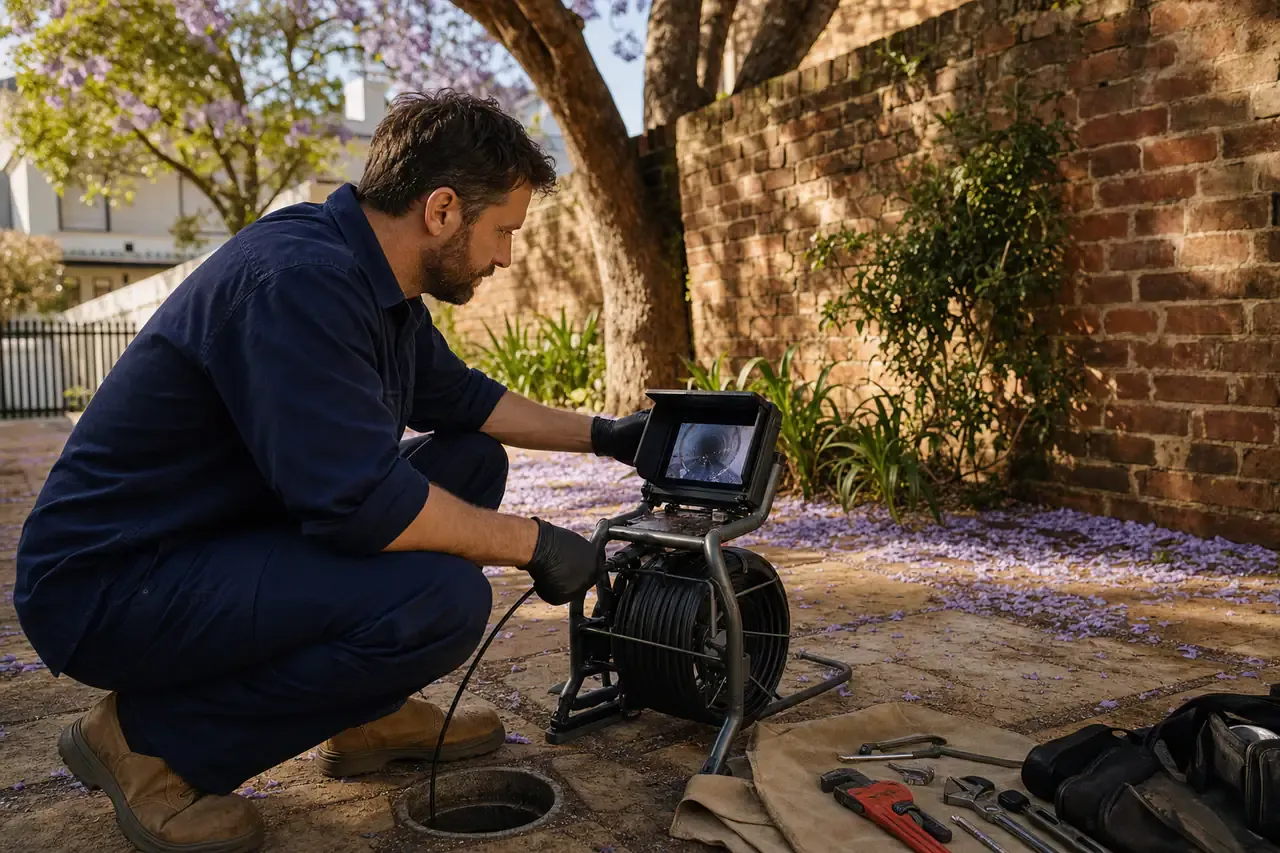
Changing a tap washer or swapping a shower head is ordinary household maintenance. Almost everything else is not. In NSW, plumbing and drainage work has to be done by a licence holder, and gas work by a licensed gasfitter. That covers cutting into pipes, moving or adding fixtures, anything on the hot water system and anything on the sewer.
The reason is practical as much as legal. A joint that weeps inside a wall can go unnoticed for a year, and an insurer may refuse a claim for damage caused by unlicensed work. You can check any plumber’s licence with NSW Fair Trading before they start.
Older Sydney homes: when a repair becomes a re-pipe
Houses built before the 1970s often still have galvanised steel water pipes. They rust from the inside, which narrows the pipe (low pressure, brown water first thing in the morning) and then perforates it. One repair is reasonable. When leaks start appearing in different places within a few months, the pipe is telling you it is finished, and replacing it in stages is cheaper than chasing it leak by leak.
Our guide to plumbing problems in old Sydney homes covers what to look for, and the post on low water pressure explains how to tell a pipe problem from a network one.
Urgent, or can it wait?
Call straight away for a leak you cannot stop, sewage coming up through a drain, a leaking hot water tank, no water at all, or any smell of gas. Everything else — a dripping tap, one slow drain, a toilet that runs, noisy pipes — can be booked for a daytime visit, which is the cheaper way to have it done.
If you are not sure, turn the water off at the meter and call. Our guide shows where the shut-off is in a house, a terrace and a unit.